01DECONSTRUCTING MULTI-LAYERED DECISION FORKS
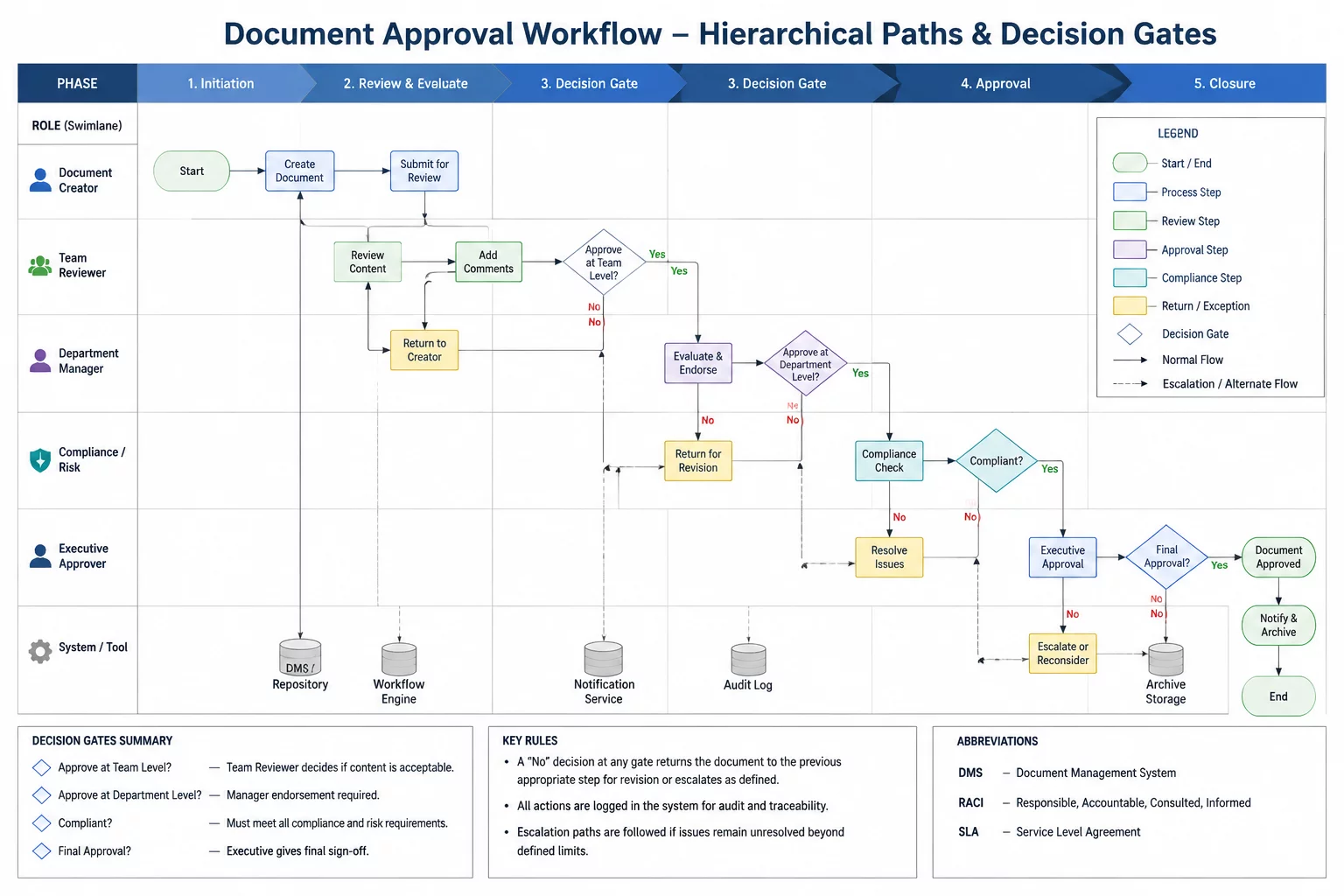
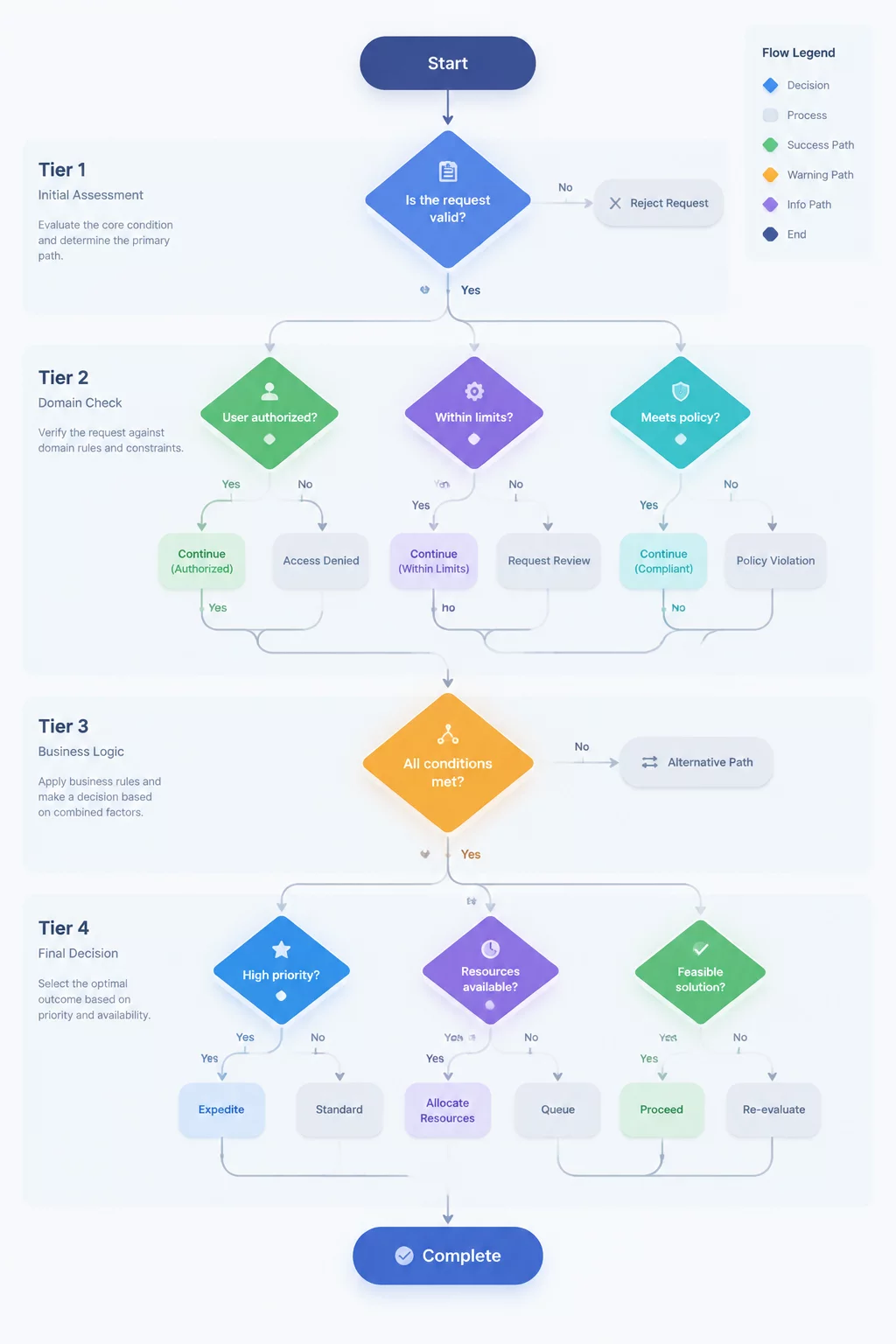
When enterprise workflows require simultaneous compliance checks, risk scores, and regional policy validations, single decision points cascade into volatile branching thickets.
In this operational scenario, an automated onboarding pipeline encountered systemic stalls whenever a client payload triggered four or more concurrent conditional tiers. Upstream teams previously represented this complex routing using loose annotation callouts and implied branches. That visual shorthand obscured mutual exclusivity, causing parallel tasks to fork indefinitely without clean reconciliation markers.
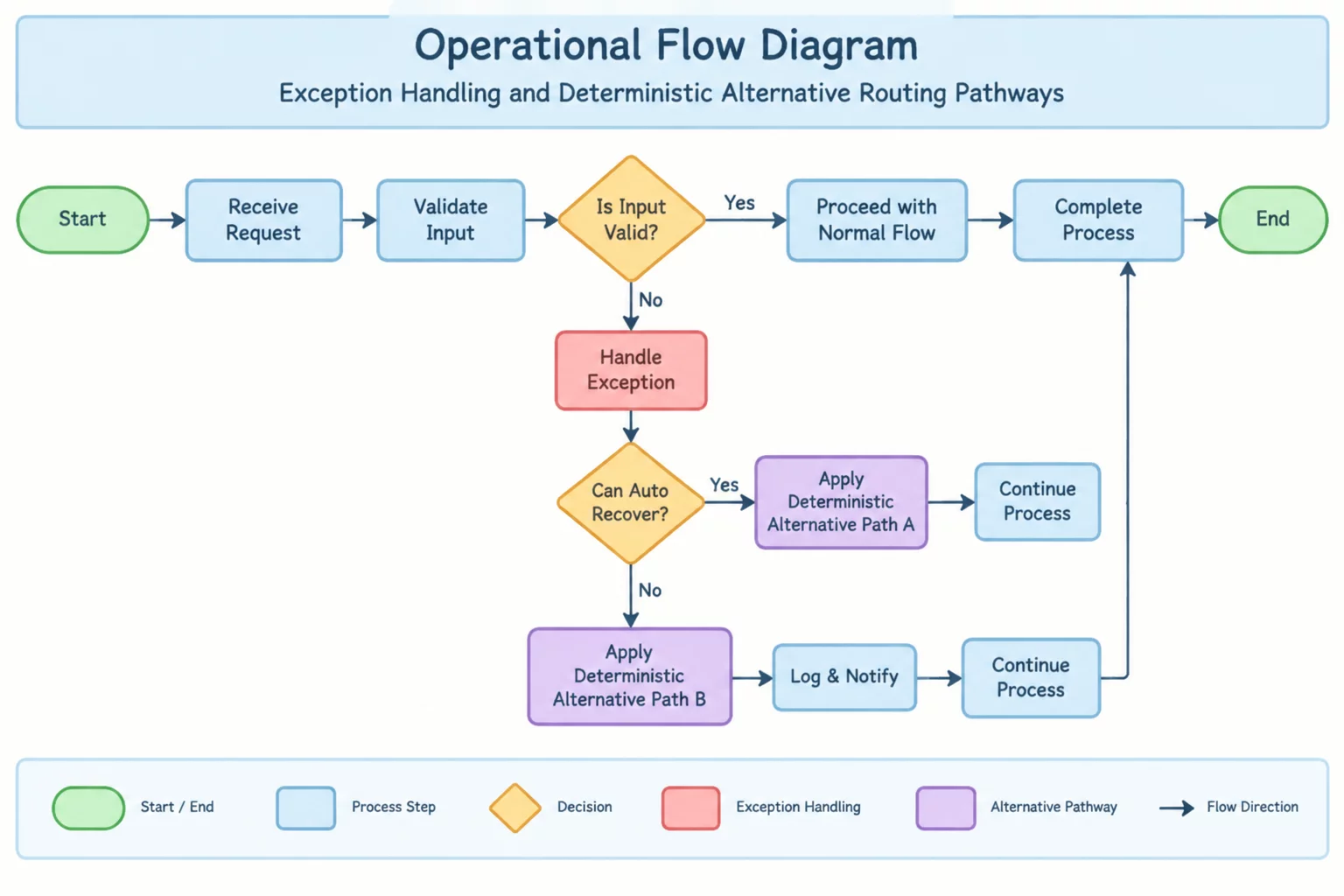
By converting ambiguous composite decisions into strictly atomic diamond evaluations, the process architecture reveals every latent path. Operators inspect parameters in sequence rather than coping with compound if-then assumptions crammed into a single milestone.
- Atomic Decomposition: Each diamond node evaluates strictly one measurable parameter with mutually exclusive outbound edges.
- Synchronous Fallbacks: Explicit alternative branches capture edge-case payloads without relying on unmapped catch-all buckets.
- Explicit Convergence Points: Parallel branches link to dedicated sync nodes prior to downstream triggering.
CORE ARCHITECTURAL TAKEAWAYS
High-concurrency workflows demand disciplined diamond modeling to maintain operational auditability across enterprise service fabrics:
- Isolate compound predicates into consecutive decision nodes to preserve clarity during runtime verification.
- Eliminate orphaned branches by enforcing terminal states or verified convergence sinks for every logic path.
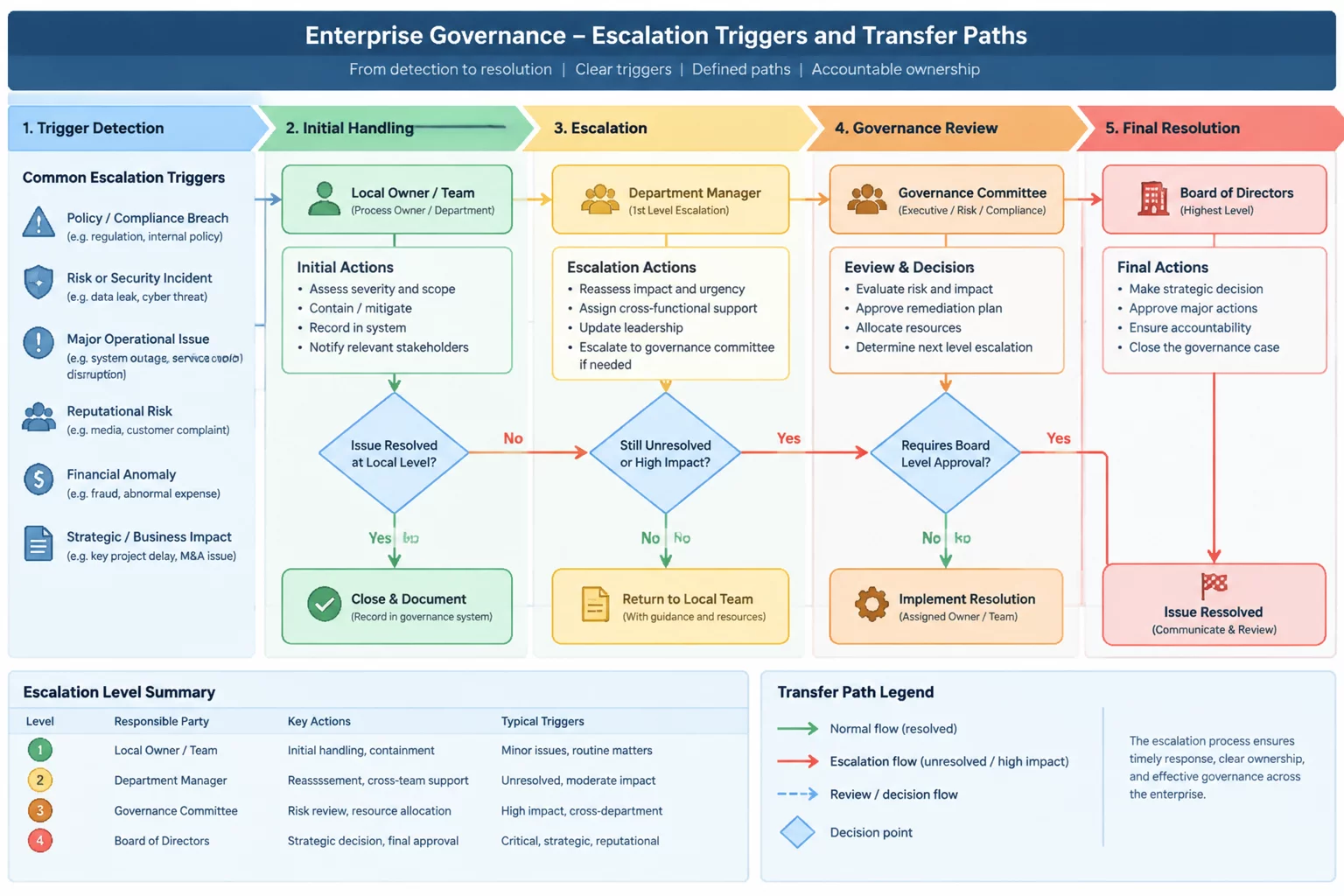
- Designate explicit ownership across every branch split so incident teams resolve stalled conditions immediately.
02PREVENTING CONCURRENCY RACE CONDITIONS AT REJOIN NODES
Branching complexity accelerates significantly when divergent paths require disparate processing intervals before rejoining the core pipeline. In our benchmark environment, fast-track compliance reviews finished forty minutes ahead of secondary background checks. The downstream workflow previously initiated provisioning upon the earliest arrival, stranding the lagging evaluation and corrupting audit records.
To resolve this timing vulnerability, DecisionFork Atlas introduces deterministic synchronization gates. These junction milestones pause downstream progression until all active tributary branches report either an affirmative completion token or a formal exception route. Consequently, data integrity remains intact throughout high-volume operational cycles.
A process flow that conceals branching depth behind compound labels is not an abstraction—it is an operational liability awaiting a production failure.
Lead Enterprise Systems Analyst
03CONTINUOUS VALIDATION AND REPOSITORY AUDITING
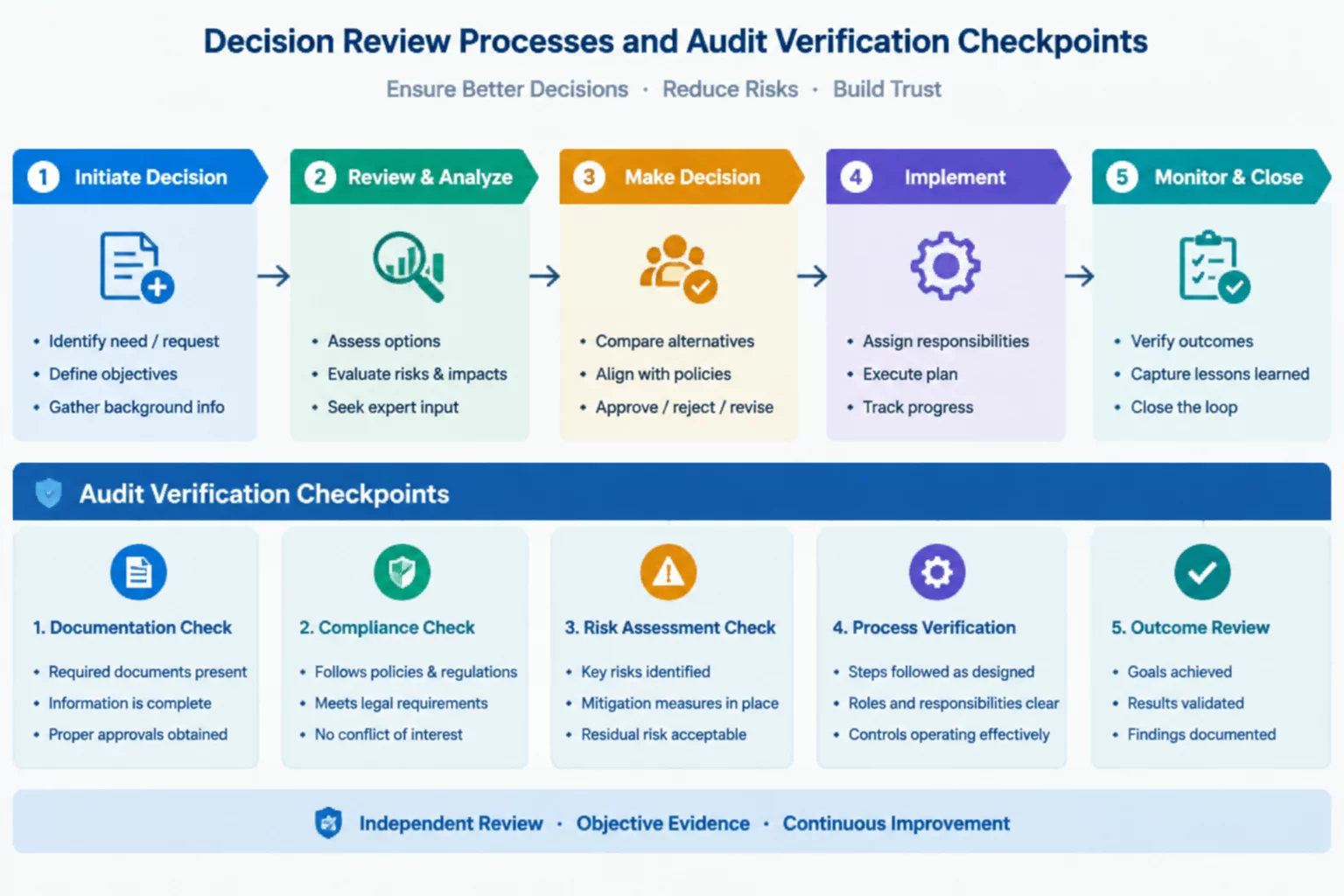
Complex branching diagrams remain vulnerable to silent drift as operational requirements evolve across quarters. Without scheduled structural reviews, well-engineered forks slowly accumulate informal bypass lines, unversioned sub-conditions, and ghost endpoints that confuse incident response units.
Maintaining branch hygiene requires treating visual diagrams as compiled source code. Cross-functional leads run periodic traversal audits, testing sample payloads through all eighteen known branches to guarantee predictable execution behavior before deploying revised process maps to shared repositories.