01The Anatomy of Silent Exception Leakage
Standard workflow diagrams prioritize the golden path, quietly treating edge cases as simple discard bins or undocumented dead ends.
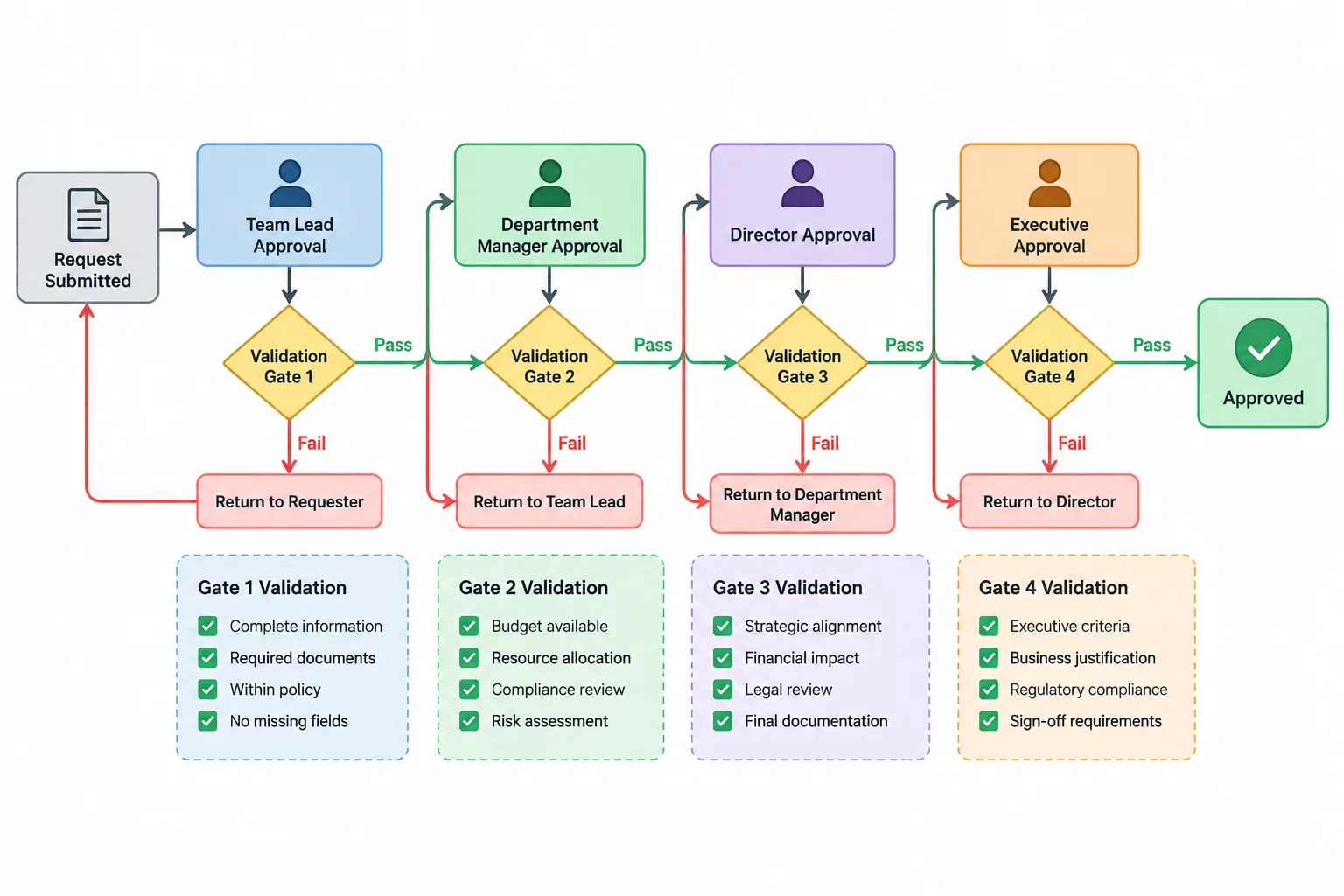
During high-throughput transaction windows, processes encounter anomalies such as corrupt third-party webhooks, missing tax identity keys, or conflicting regulatory verifications. When flowcharts fail to assign an authoritative owner to these negative evaluation branches, operational personnel resort to informal chat channels and ad-hoc spreadsheet overrides.
The vulnerability lies not in the failure event itself, but in the structural silence of the diagram. If a fork specifies what occurs when identity documents pass validation, yet directs document rejection into an unlabeled arrow pointing to an arbitrary boundary, the system breeds operational debt. Teams discover months later that thousands of customer accounts lingered in an unmonitored purgatory state.
- Unmarked terminal arrows that fail to identify whether records are purged, frozen, or redirected.
- Missing state recovery protocols when an exception handler fails during batch processing.
- Absence of role-specific SLAs for resolving manual exception intervention queues.
Architectural Principles for Exception Containment
Operational resilience requires every deviation from the nominal pathway to satisfy three strict documentation criteria:
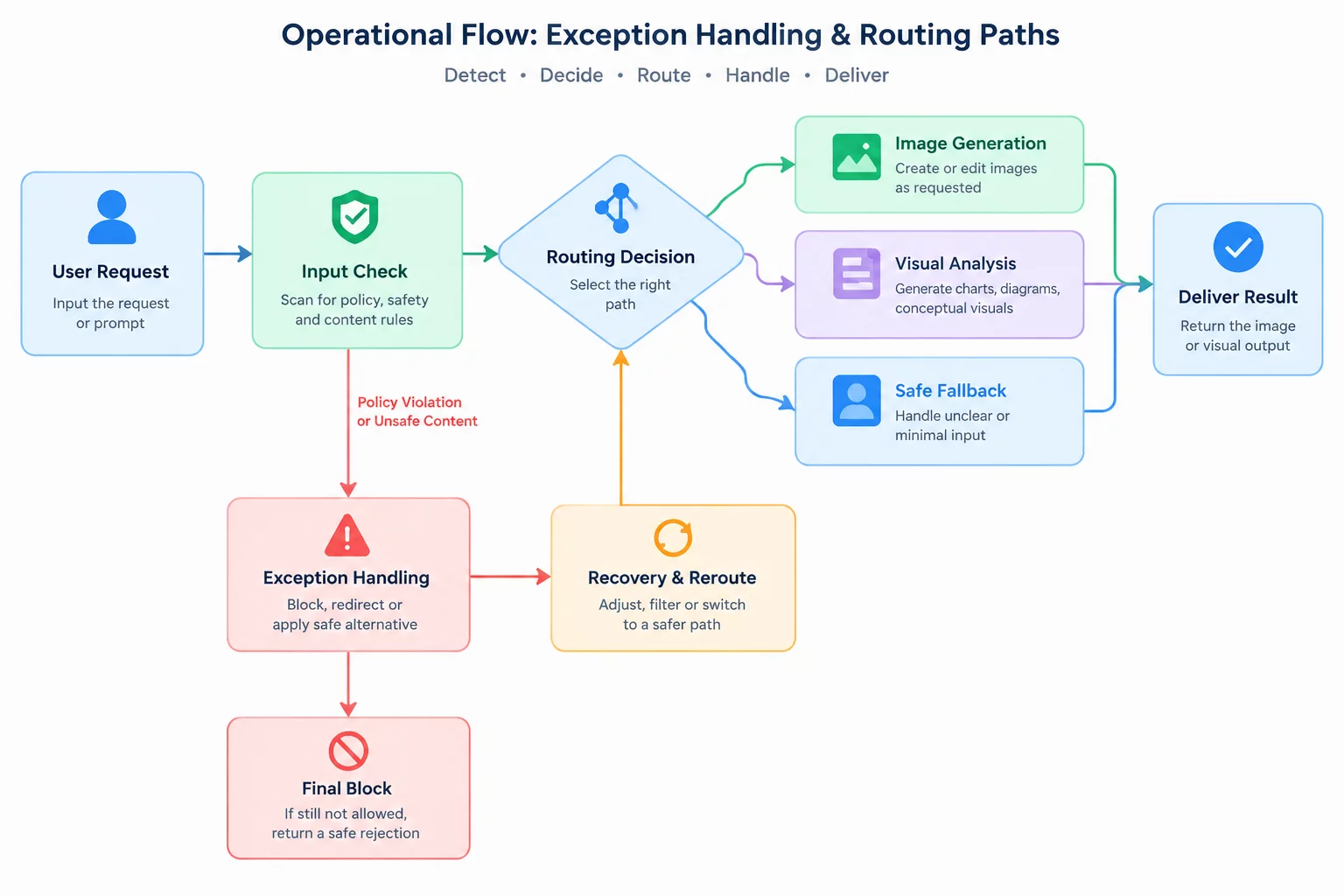
- Closed-Loop Routing: Every negative exit diamond must lead to a designated dead-letter queue, a containment holding pool, or a verified terminal archive.
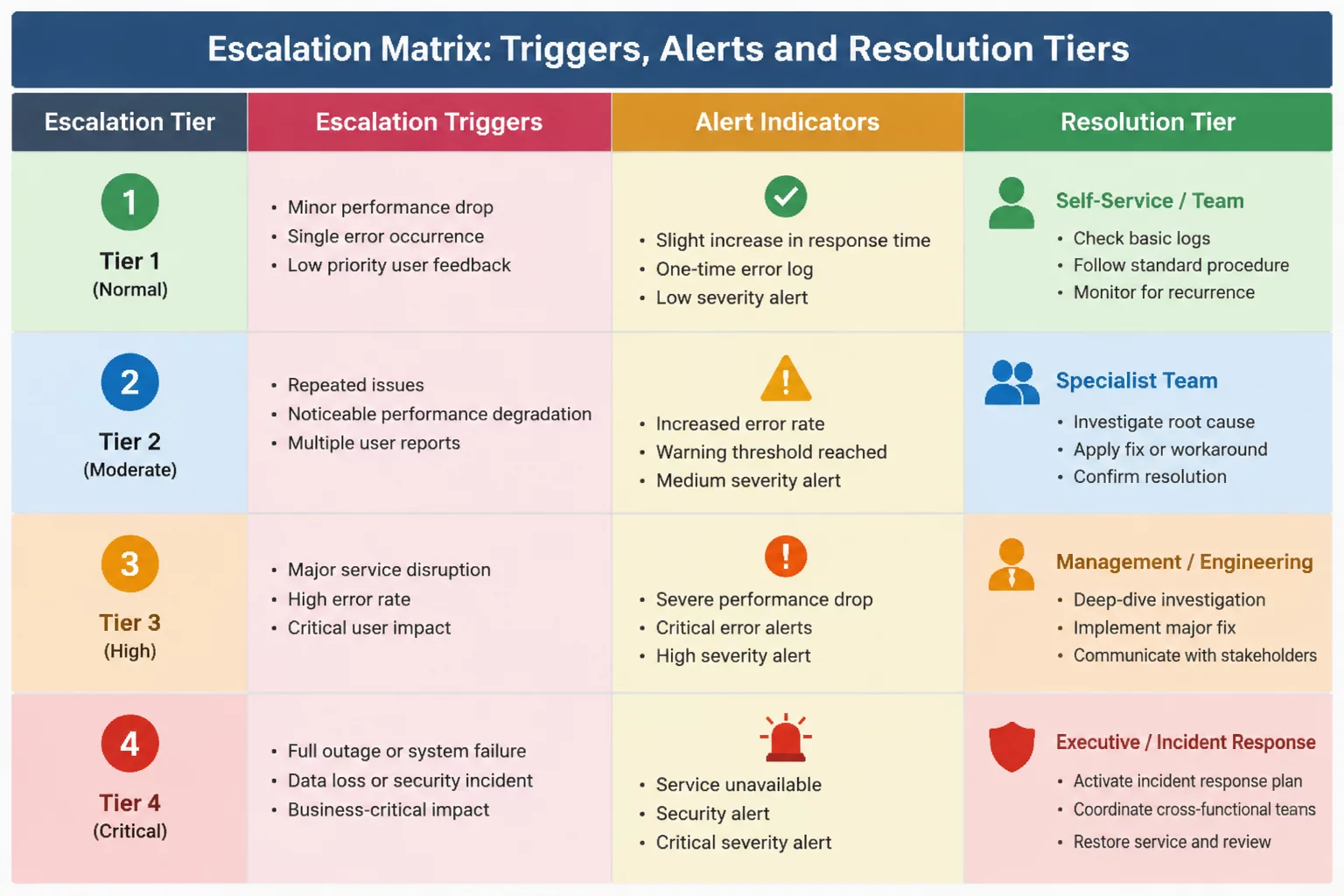
- Single Accountability Designation: No exception state may exist without a defined operational owner role and maximum resolution time.
- Isolated Re-Entry Validation: Recovered payloads must pass re-validation before merging back into primary workflow streams.
02Dismantling the Myth of Generic Catch-All Steps
Engineering teams often condense diverse validation failures into a single generic rectangle labeled "Handle Error". This shorthand conceals fundamentally incompatible failure classes. An expired user token requires an automated refresh challenge, whereas a suspected fraud indicator demands immediate account quarantine and risk department escalation. Collapsing them into a single step forces downstream teams to deduce process intent from raw database logs.
In this case implementation, our architects replaced ambiguous catch-all boxes with explicit categorical forks. Each branch delineates the exact trigger threshold, the system executing the diversion, and the mandatory audit payload generated during the split. Operations teams immediately regained visibility into root-cause distributions across regional processing centers.
An undocumented exception path is not a missing detail in a flowchart; it is an active vulnerability masquerading as background process stability.
Principal Decision Systems Architect
03Enforcing Recovery Boundaries and Audit Guarantees
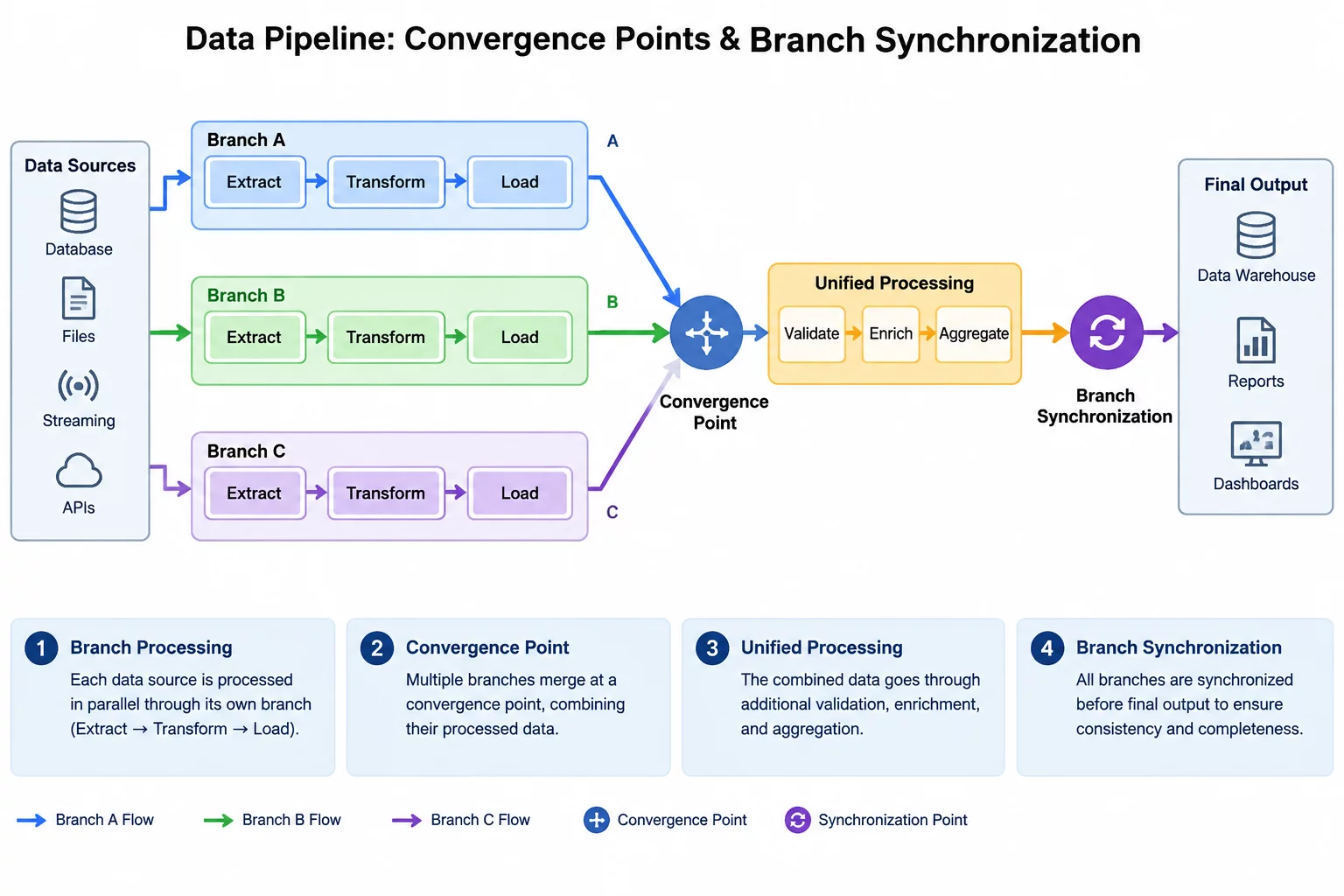
The final phase of restructuring governed branch re-entry. When an exception path undergoes human remediation, the corrected transaction cannot simply inject itself into an arbitrary midpoint of the pipeline. Doing so circumvents prerequisite validation checks executed earlier on the nominal path. The updated standard establishes dedicated checkpoint gateways where remediated items undergo full dependency verification before continuation.
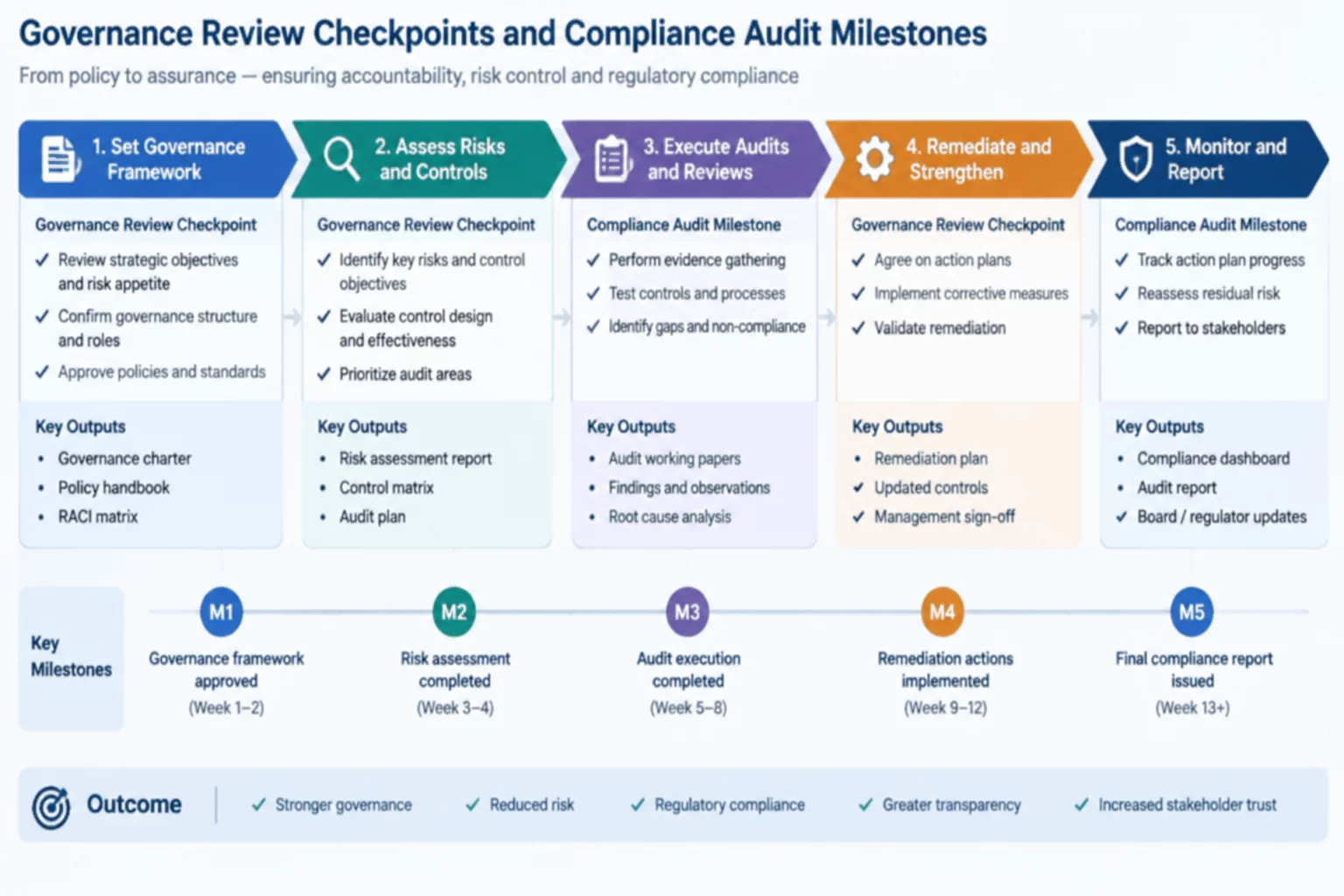
By coupling every exception exit with tamper-evident audit markers in draw.io metadata, compliance officers can now trace the journey of any transaction. Discrepancies that previously consumed days of forensic discovery now resolve within minutes, providing complete defensibility across internal reviews and regulatory inspections.