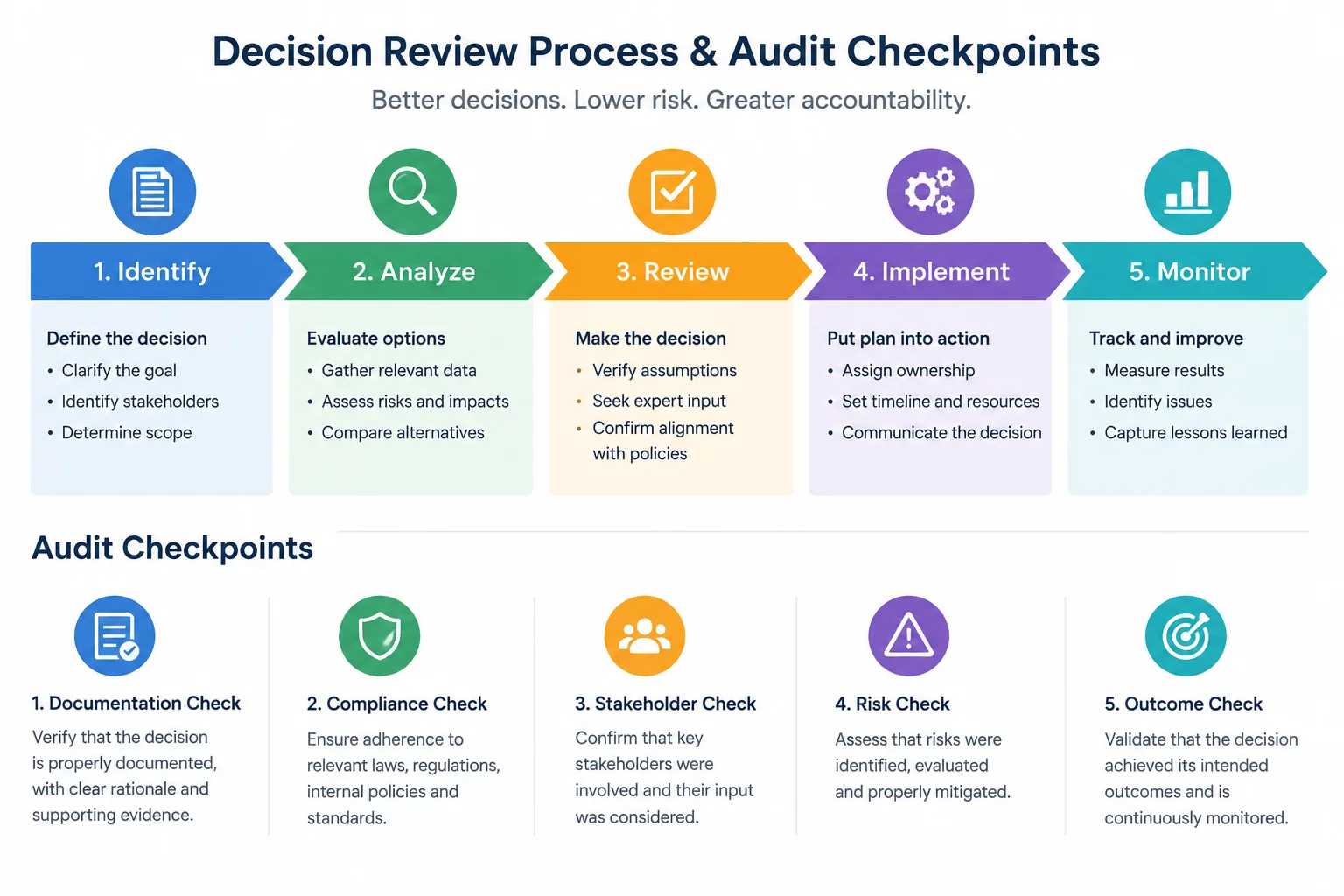
01Operational Breakdown of Review-Locked Decision Forks
Decision reviews serve as the primary defensive barrier against silent logic drift and unauthorized branch bypasses in mission-critical workflows.
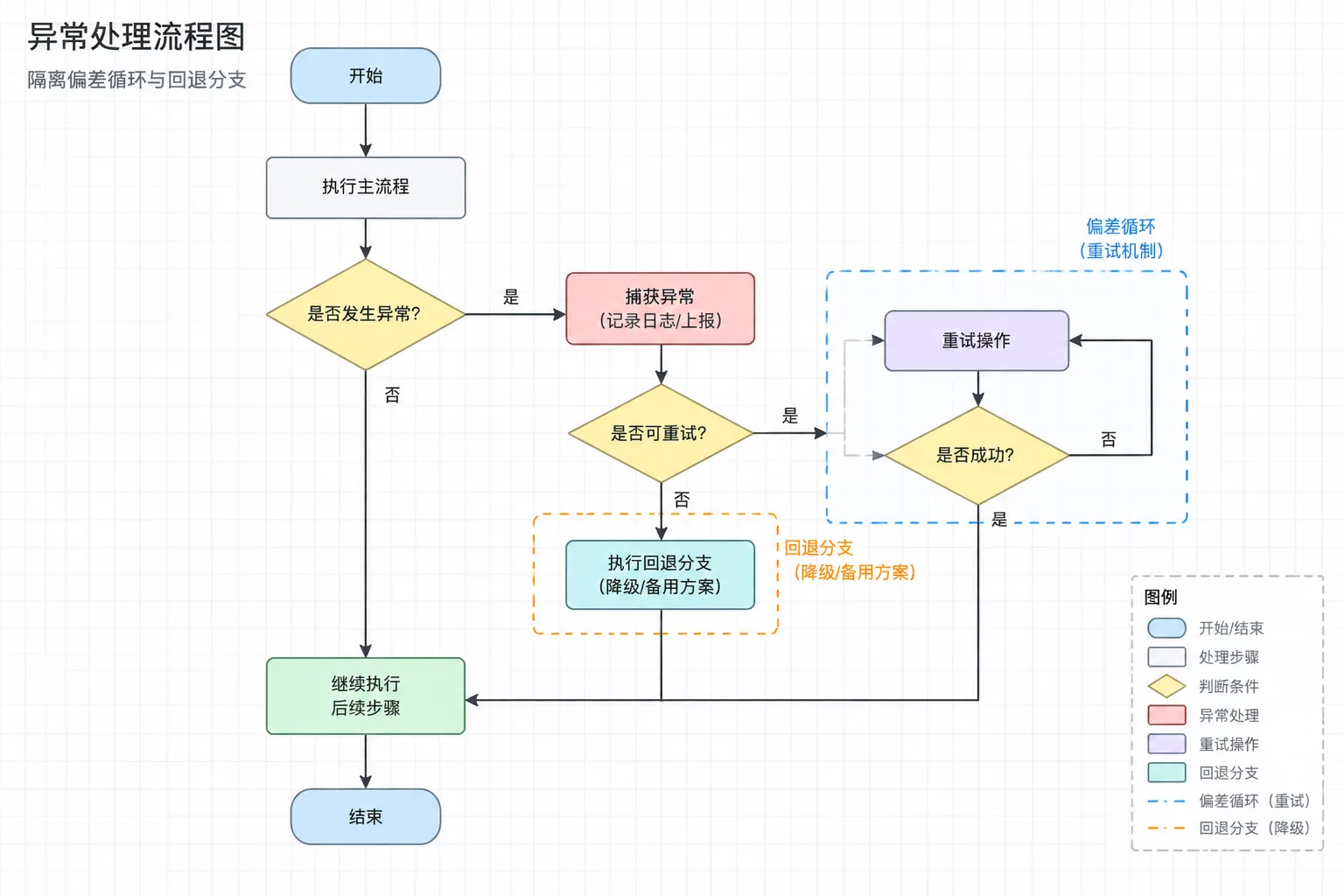
In highly regulated environments, branching decisions often degrade when individual operators interpret informal notes rather than strict conditional criteria. When an exception occurs, team members might manually approve bypasses without creating a durable audit record. Over several business quarters, these untracked adjustments turn straightforward decision trees into fractured, unpredictable execution webs.
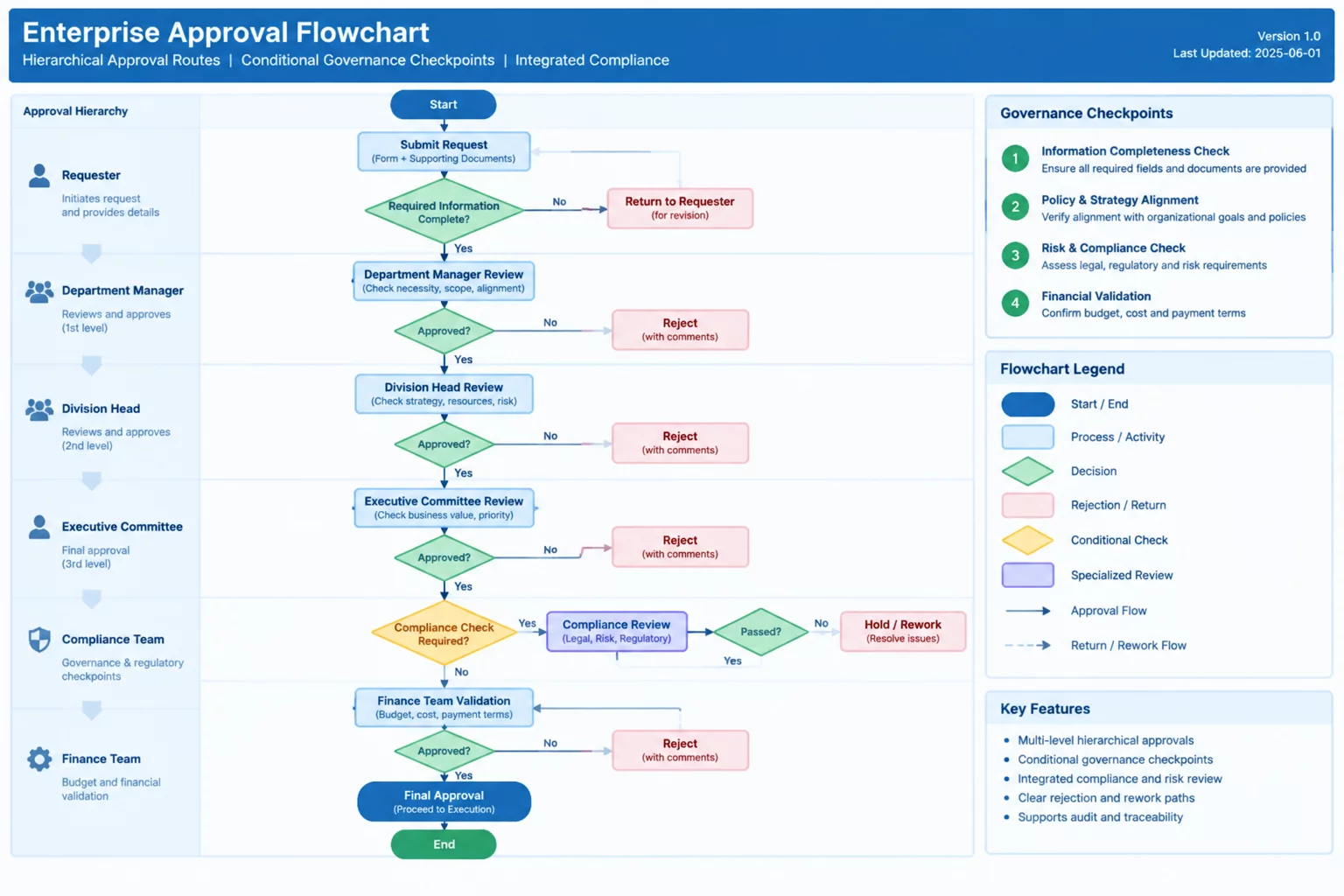
To resolve this operational vulnerability, this case study documents a structured decision review architecture. Every major decision fork requires periodic algorithmic re-verification alongside human oversight. Instead of allowing long-lived static branches, each critical node has a designated review cadence, strict exit thresholds, and explicit re-evaluation triggers whenever adjacent business policies change.
- Mandatory verification gates established at every non-automated divergence point across process charts.
- Bi-weekly sync between compliance analysts and system architects to retire obsolete operational branches.
- Rigid separation between operational triage approvals and formal architectural rule revisions.
Core Architectural Takeaways
Key operational findings derived from analyzing over 120 decision review sessions across enterprise deployments:
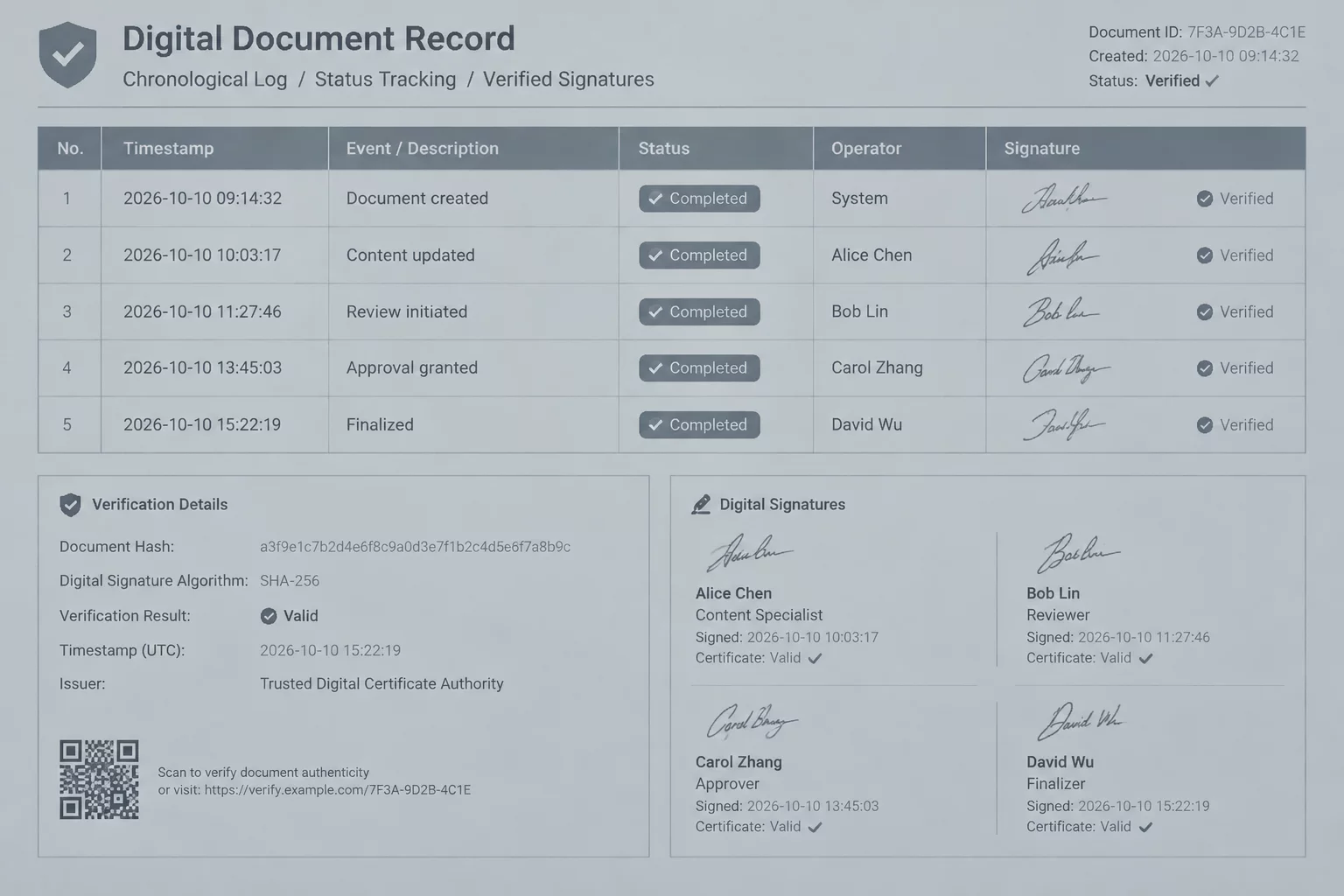
- Every review point must produce an immutable audit artifact stating the precise criteria evaluated.
- Time-boxed review windows prevent pending decisions from stalling downstream operational processes.
- Periodic audits must evaluate not only accepted branches but also rejected paths for unintended choke points.
02Aligning Workflow Governance With Real-Time Execution
The primary challenge in establishing effective decision reviews is striking a balance between velocity and rigor. Overly cumbersome review checkpoints create systemic latency, driving operators to seek undocumented shortcuts. Conversely, superficial checklist reviews create a false sense of compliance while masking critical divergence errors beneath layers of boilerplate documentation.
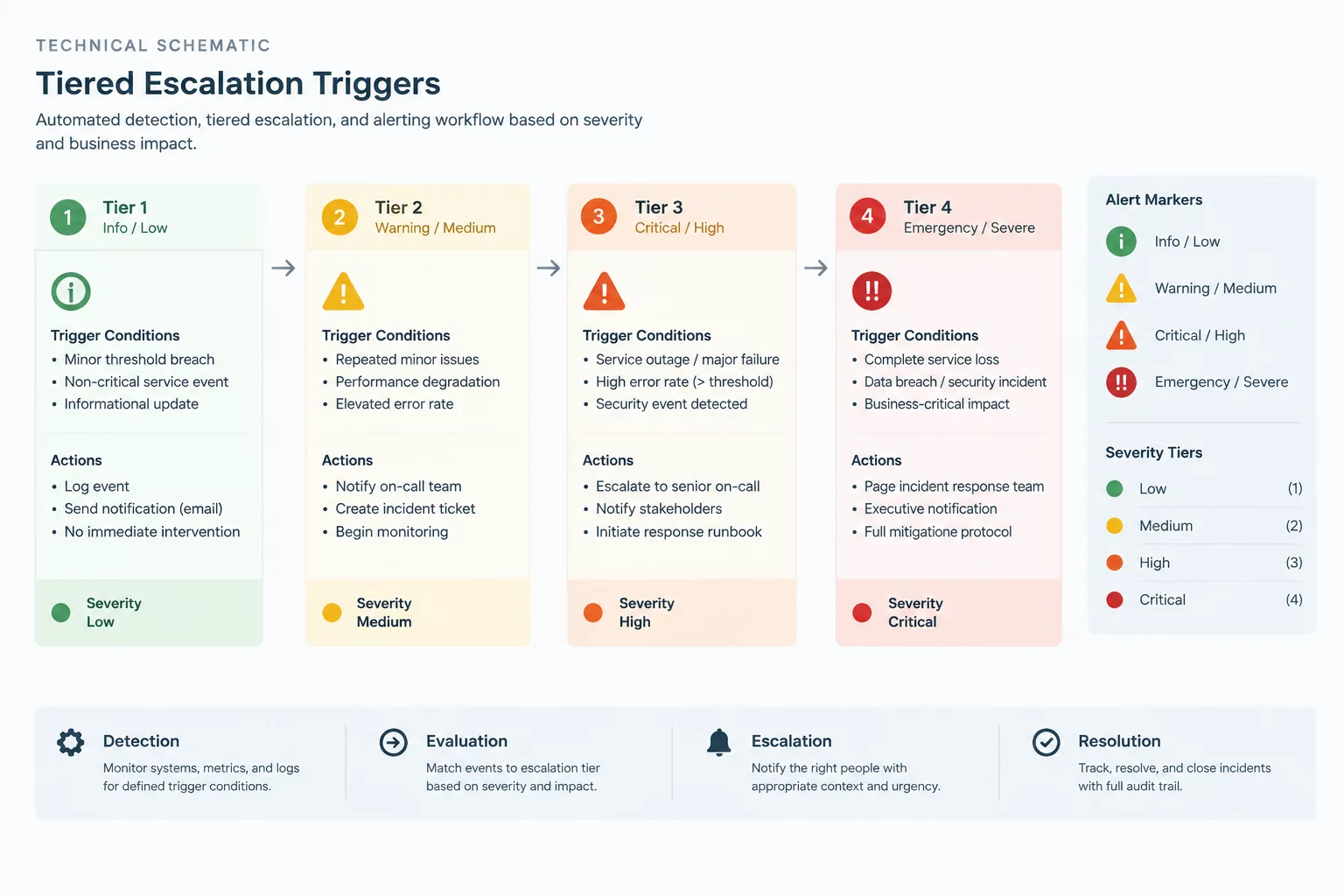
Implementing deterministic review gates requires clear bifurcation between automated integrity checks and high-stakes qualitative evaluations. Automated pipelines verify parameter boundaries, data availability, and downstream prerequisites within milliseconds. Human reviewers only engage when edge conditions exceed predefined risk tolerances, ensuring scrutiny focuses strictly on ambiguous cases.
A decision review is not a bureaucratic hurdle; it is the scheduled recalibration of your operational compass against changing real-world conditions.
Senior Workflow Architect
03Long-Term Auditability and Post-Mortem Remediation
Review records must outlast the immediate operational lifecycle of any individual ticket or transaction. By indexing review logs against diagram node identifiers in draw.io, engineering teams can trace current production behaviors directly back to historical governance decisions made months prior.
When an incident arises, post-mortem investigations do not need to guess why a specific path was chosen. The decision review ledger reveals which rules were active, who conducted the review, what operational evidence was presented, and why alternative branches were deliberately rejected.