01The Failure of Conjoined Qualification Clauses
When workflows compress three prerequisite rules into one diamond block, operational routing silently falls apart.
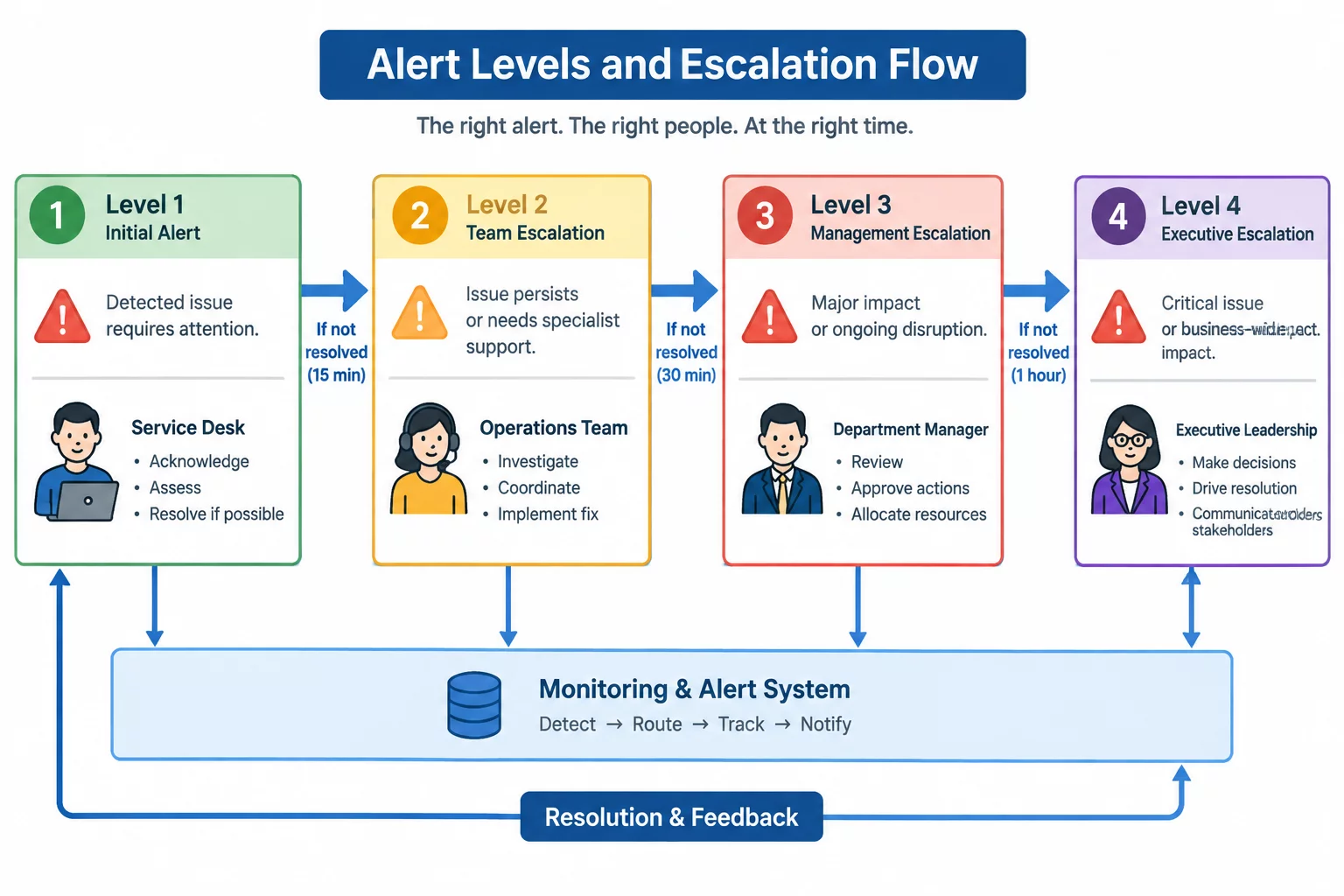
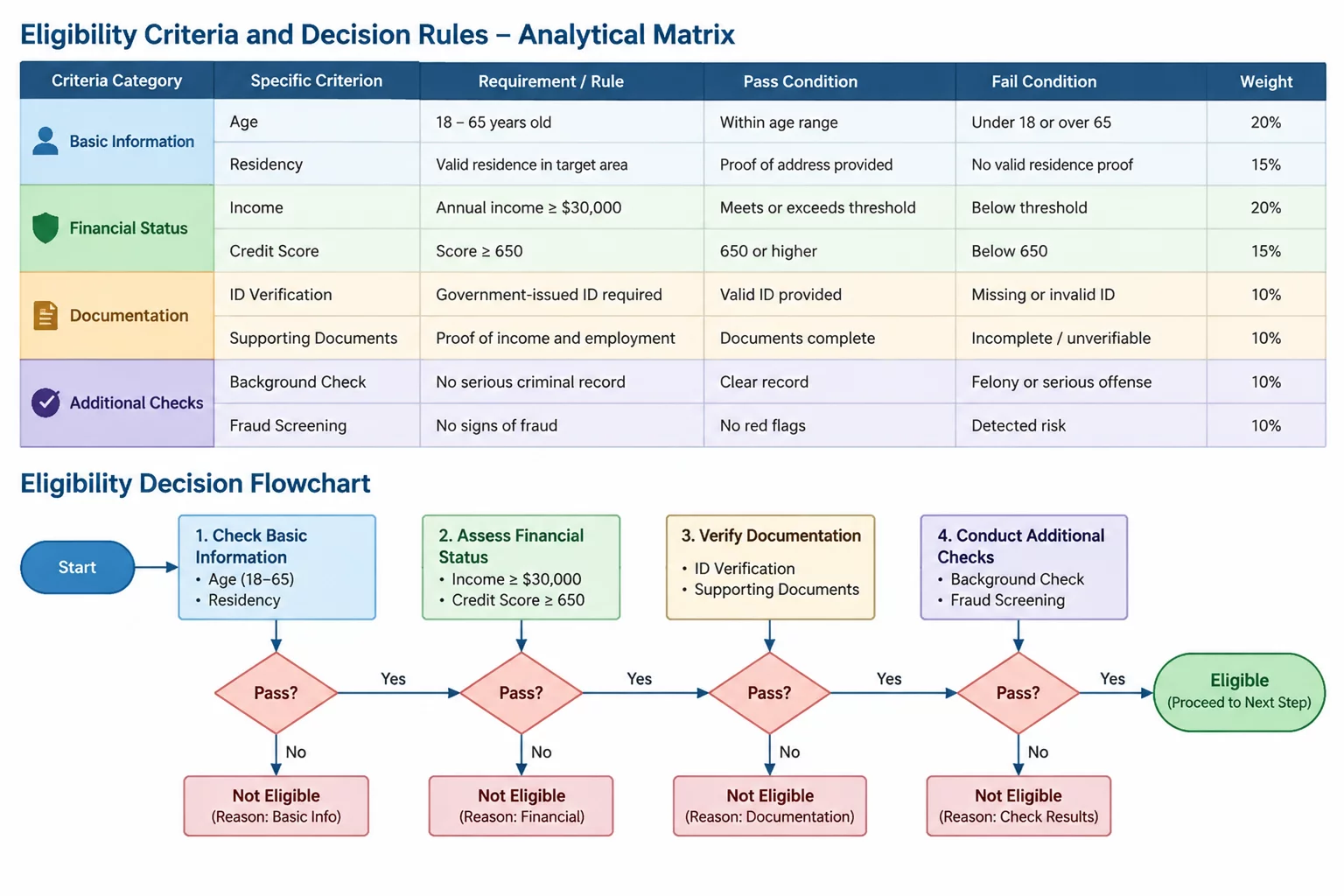
In this operational study, an onboarding qualification workflow evaluated applicant status through a compound sentence: "Is the applicant over 21, resident in an eligible jurisdiction, and possessing an active license?" Because the diamond produced a single binary outbound split, field specialists could never determine which exact factor triggered a negative branch. Process auditors encountered incomplete logs, while system operators routed edge cases to manual review without understanding why the applicant failed.
Compressing multiple validation conditions into a unified graphic element invites hidden business assumptions. Analysts tend to assume false responses share a uniform mitigation route. In truth, an invalid residency requires geographic redirection, whereas an expired credential requires documentary renewal.
- Compound questions obscure the distinct business owner accountable for validating each condition.
- Rejection branches forfeit data granularity, forcing operational teams into redundant investigative loops.
- Alternative qualification corridors remain unreachable because the workflow rejects the record prematurely.
Architecture Principles for Eligibility Gates
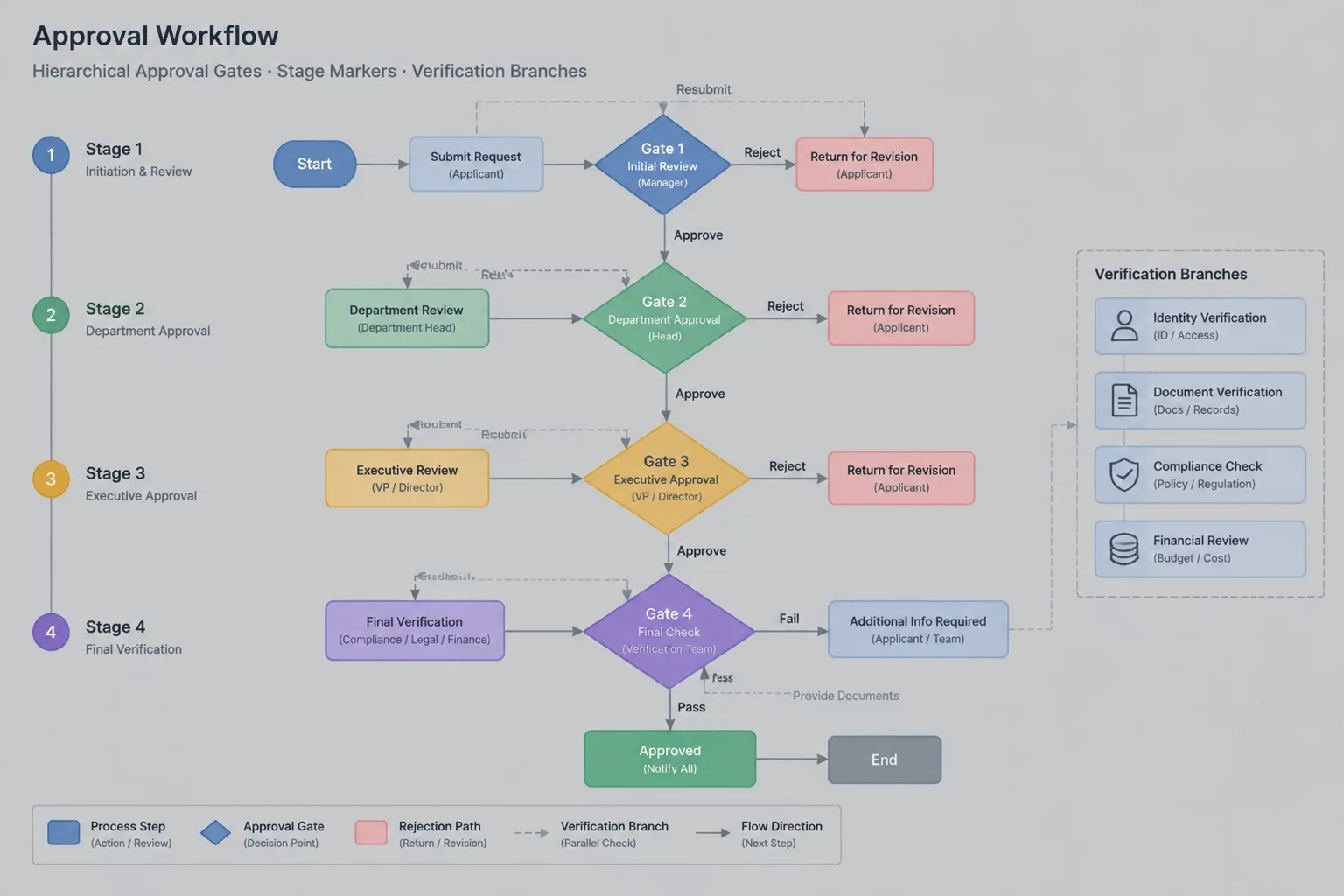
Every evaluation gate must adhere to strict structural constraints to protect process clarity:
- Never combine conditions using logical AND or OR operators inside a single diamond container.
- Sequence verification checkpoints starting with absolute disqualifiers before assessing conditional exemptions.
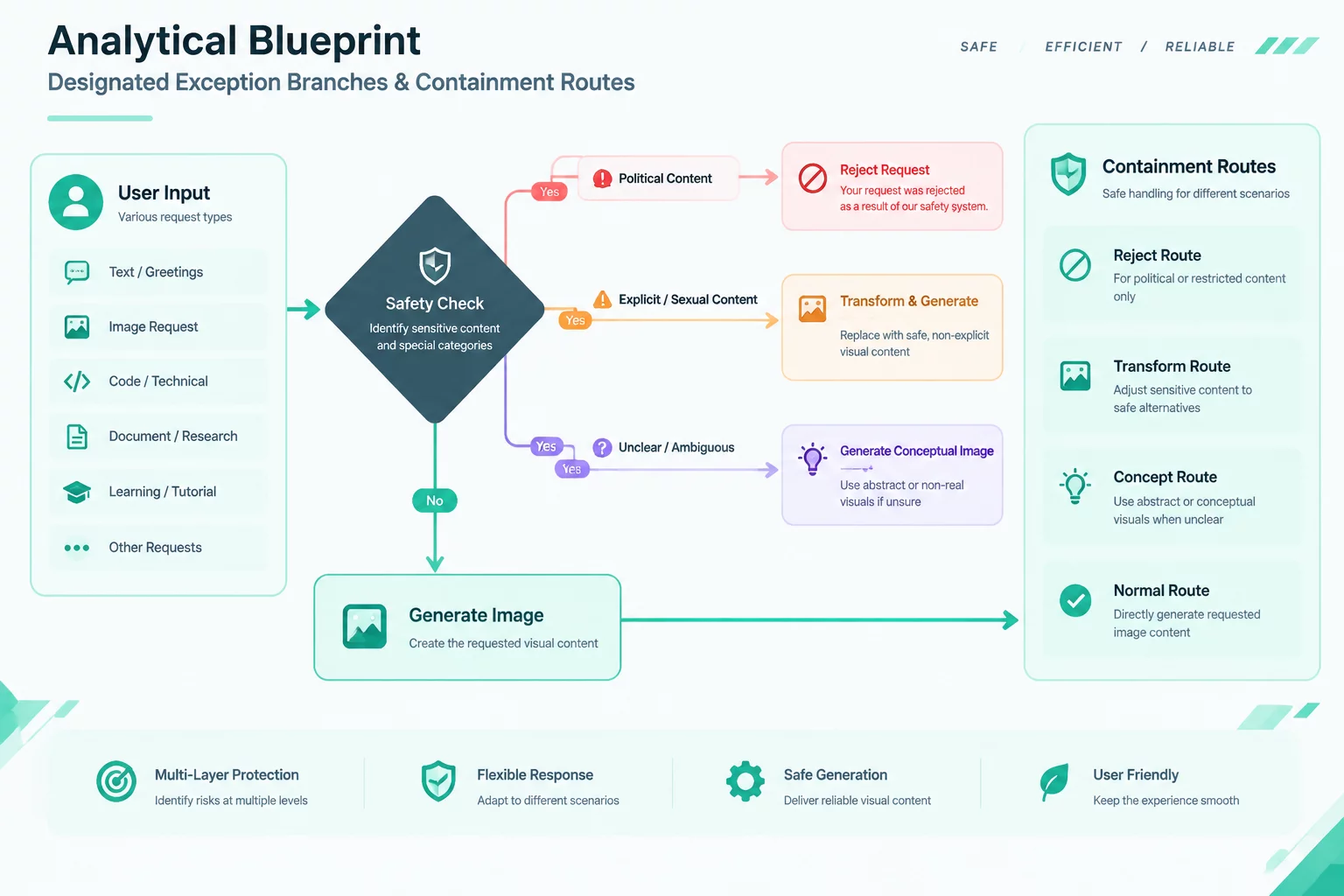
- Provide explicit terminal or redirect pathways for each non-qualifying exit connector.
02Deconstructing Serial Checks into Deterministic Tiers
Resolving this entanglement required decomposing the single prompt into three consecutive decision stages. First, the residency perimeter is evaluated as a strict gate. Applicants outside approved jurisdictions route immediately to cross-border handling, bypassing credential verification altogether. This eliminates unneeded operational overhead.
Second, credential status is tested in isolation. Applicants with missing documentation branch to a targeted submission holding state rather than receiving an irrevocable rejection. By isolating the criteria, each path links to its respective owner in compliance, operations, or tier-one customer intake.
If a process node asks more than one factual question, it is not a decision fork; it is an unmapped sub-process hiding behind a label.
Lead Governance Architect
03Verification Outcomes and Documentation Health
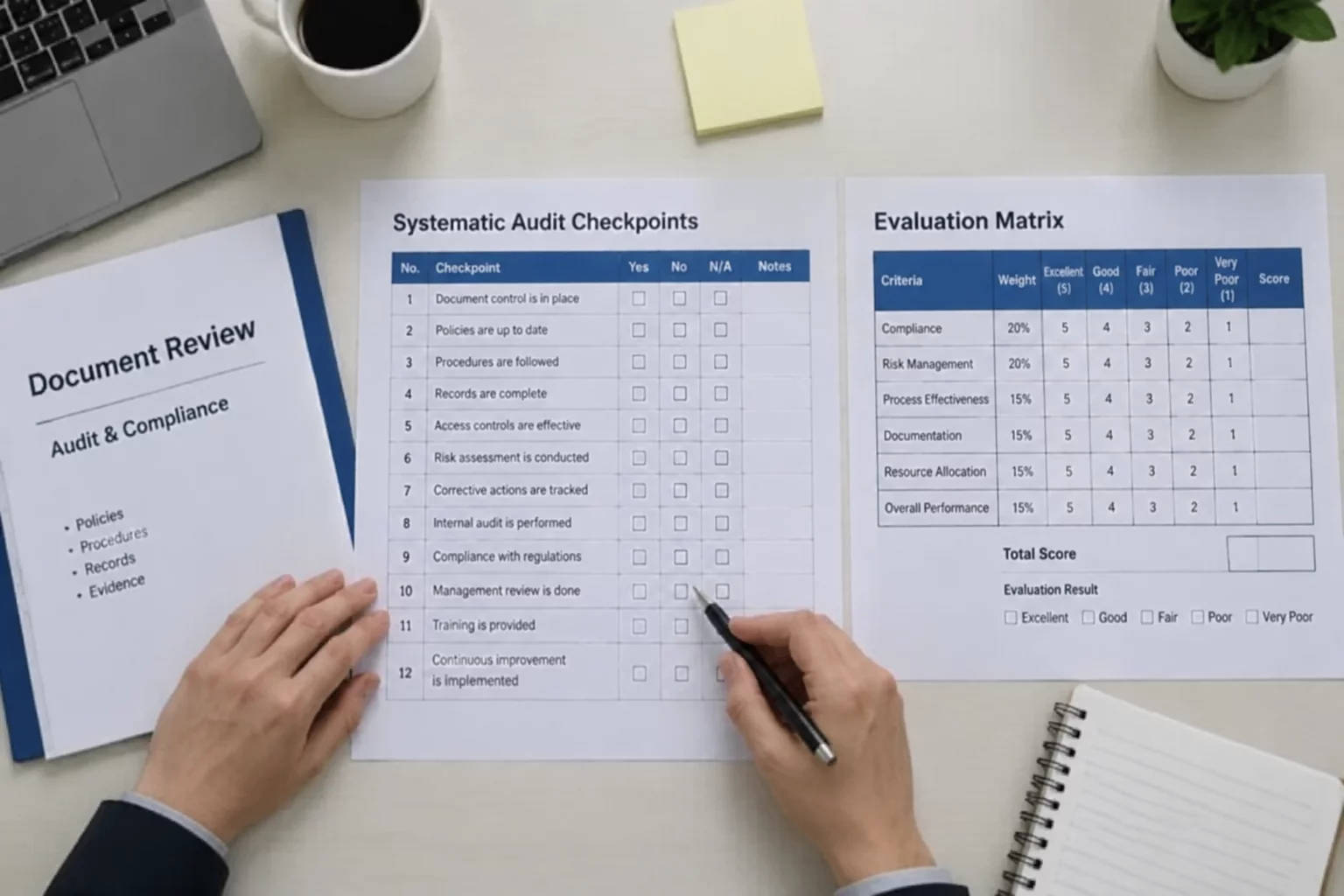
Deploying decomposed eligibility forks produced immediate visibility gains across operational units. Escalation volumes dropped significantly because frontline teams identified the exact failed prerequisite in seconds. Documentation updates became trivial: changing residency requirements no longer risked altering licensing logic.
Clear separation also established an auditable baseline for automated systems. Engineers mapped workflow steps directly to rule engines without guessing how compound phrases behaved in production. Clear graphics translate to robust, bug-free execution.