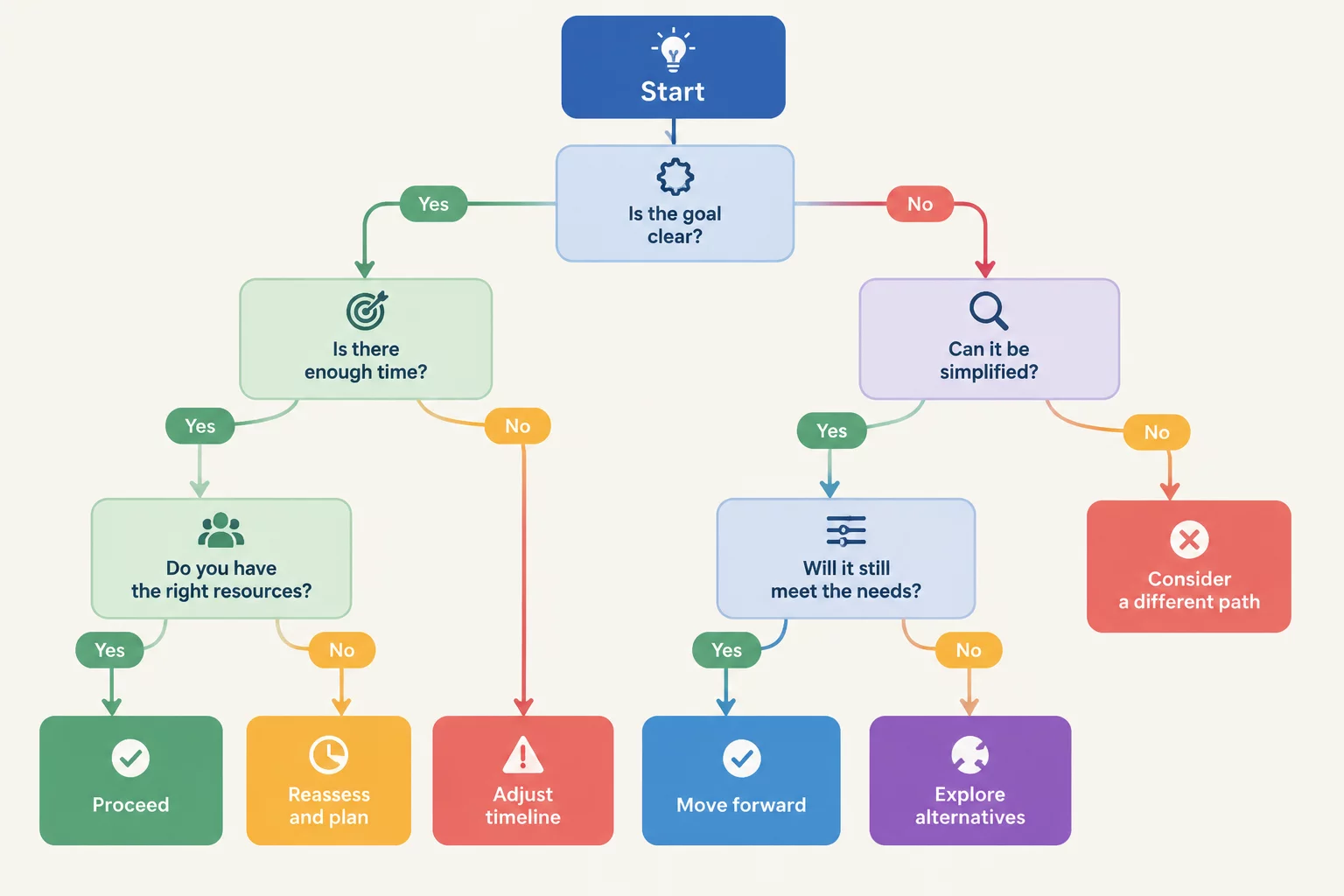
Decision Forks
One Yes/No Question Created Four Paths
Dissecting how a single binary interrogation generated hidden quadrant pathways and unmapped exception routines inside core service routing.
Explore branching cases where one condition changes ownership, next action, escalation, or outcome.
What information actually changes which path we take?

Single conditional flag safely transfers review authority directly to incident lead.
All parallel branches converge only when requisite audit checkpoints report nominal status.
Explore formal branching taxonomies across enterprise operational flows. Each editorial diamond translates bifurcating conditions, multi-tier approvals, criteria validation, and convergent rejoin points into resilient technical patterns.
Dissecting how a single binary interrogation generated hidden quadrant pathways and unmapped exception routines inside core service routing.
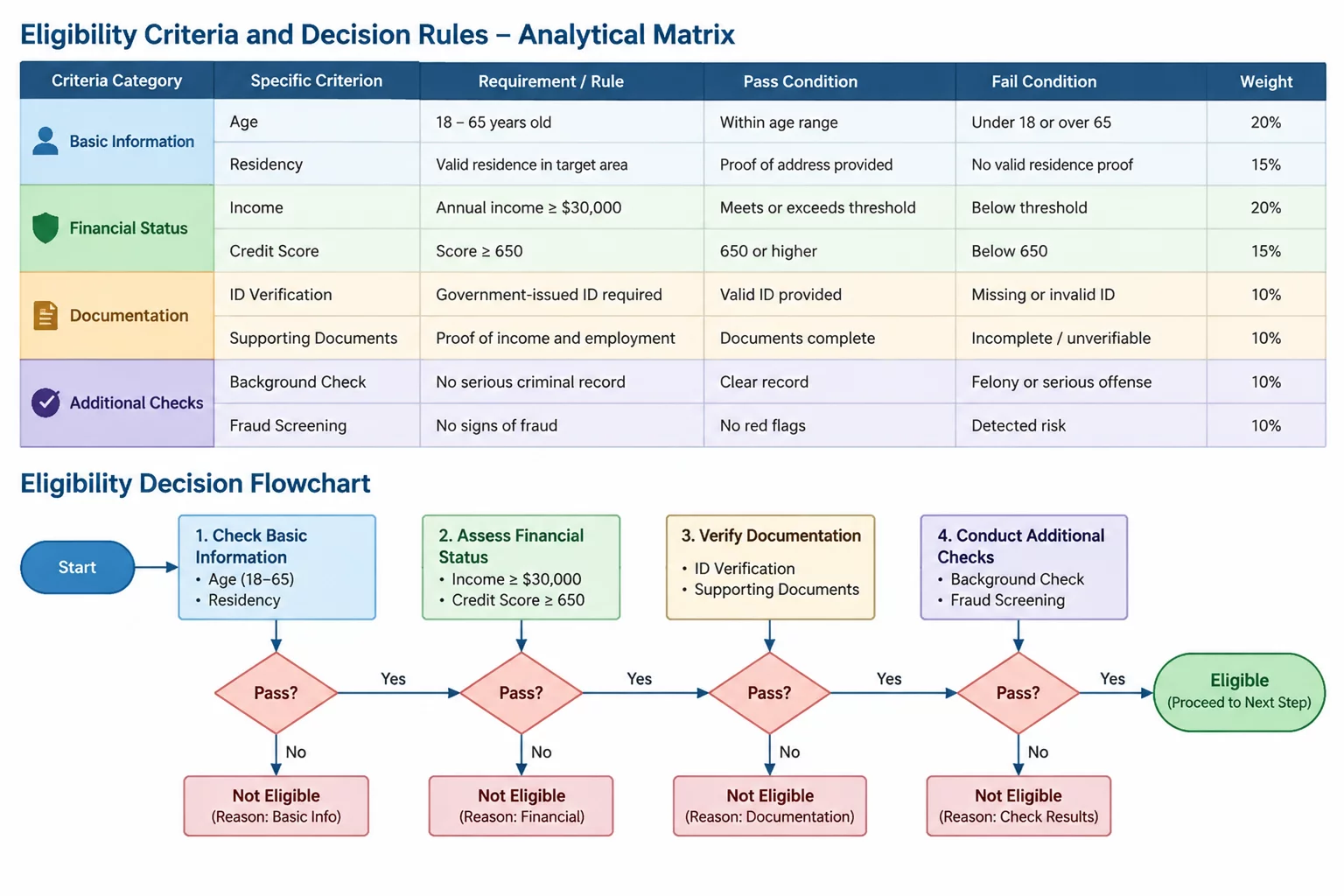
Parametric qualification criteria, validation guardrails, and deterministic routing models engineered for multi-state applicant verification.
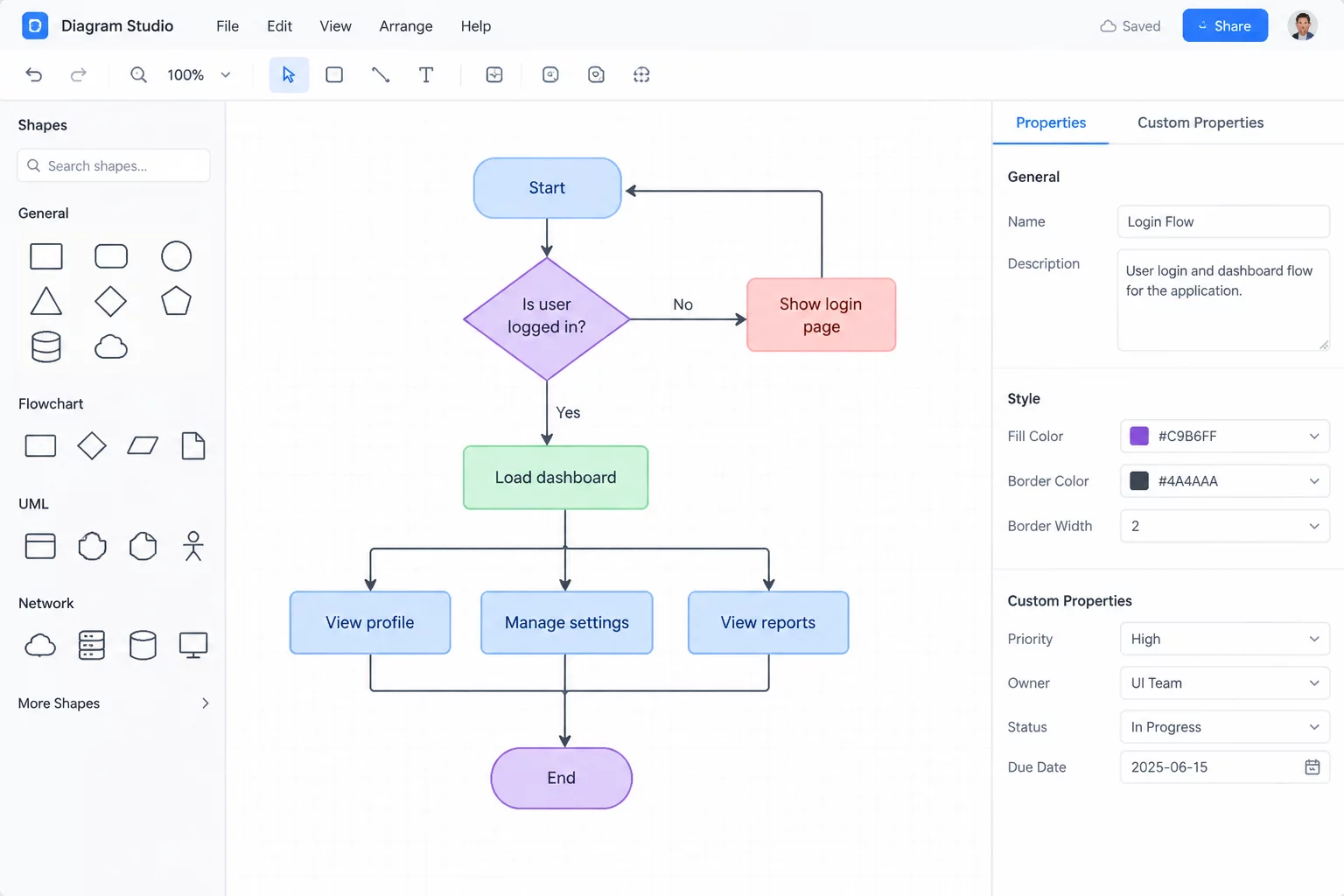
Standardized graphical schemas for drafting decision diamonds, assigning connector properties, and locking synchronizing merge checkpoints.
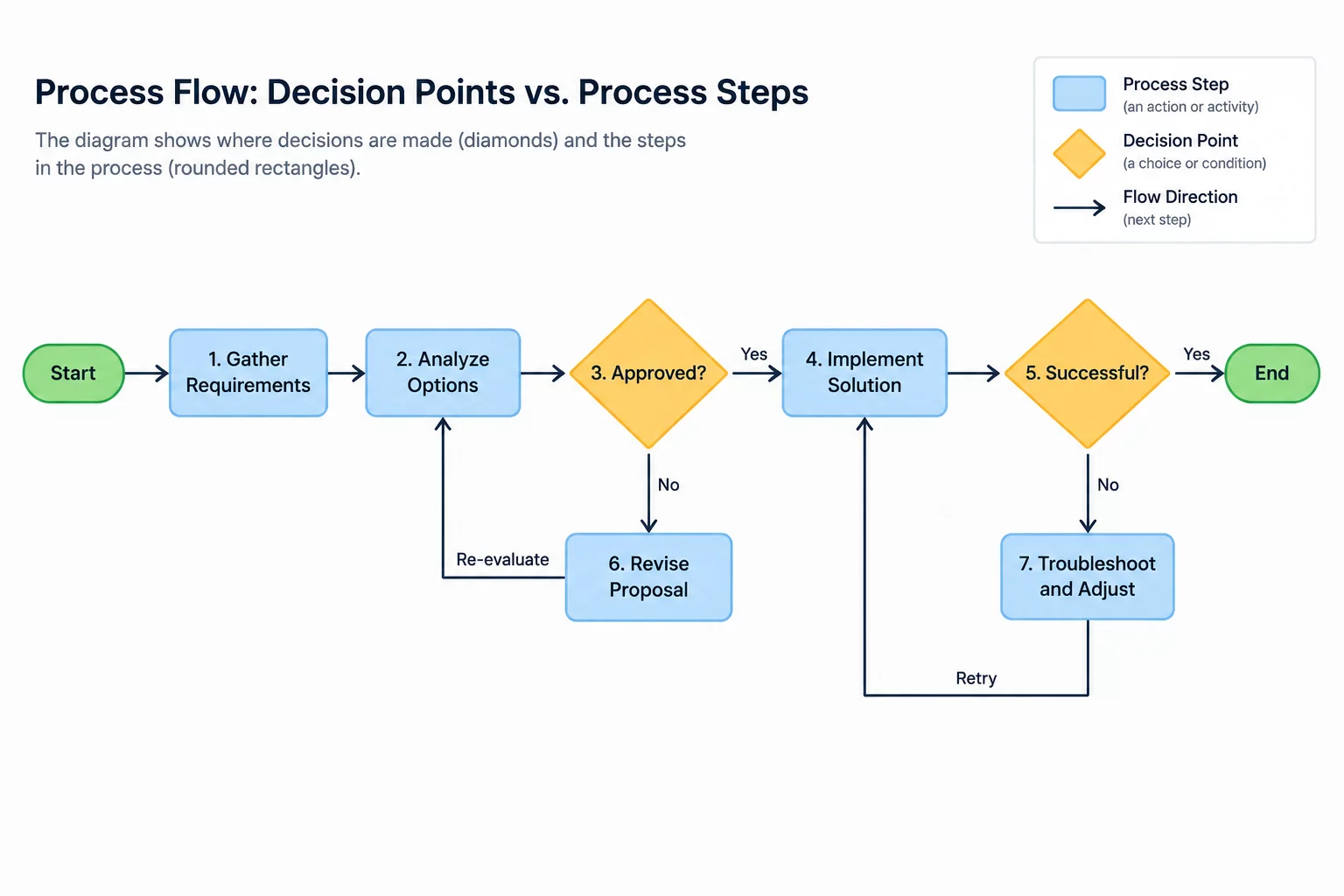
Transforming deceptive sequential operational sequences into explicit review checkpoints with accountable sign-off thresholds.
Quantify the immediate friction of unmapped decision forks. Evaluate how undocumented branching, tribal approvals, and ambiguous exception paths drain engineering hours and force recurring corrective actions across your operational surface.
Burned on manual path untangling
Repeated syncs & misrouted requests
Unresolved ticket idle duration
Deviation from canonical routing
Implicit branches are consuming more than 16 working days per monthly cycle across triage units, signaling an urgent requirement for systematic fork normalization.
Prepayment allocation, milestone installment schedules, core contract guarantees, and our standardized governance protocol for documenting architectural change requests.
Secures dedicated workflow architects and validates the foundational decision domain prior to tree modeling.
Released upon formal delivery of initial branch diamond diagrams and edge criteria definitions across all teams.
Transferred upon successful integration, audit trail verification, and staff acceptance walkthrough.
Prepayment for the upcoming two-week sprint backlog, reserving engineering and architecture capacity.
Disbursed upon demo completion, acceptance of sprint artifacts, and agreement on upcoming priorities.
Supplementary capacity for emergency organizational shifts or regulatory audit deadlines with priority turnaround.
To prevent scope erosion and maintain operational velocity, our binding agreement establishes unambiguous boundaries before the first diagram is drawn:
When business logic diverges mid-initiative, alterations are captured systematically rather than through informal conversational threads:
Establish uncompromising clarity before kickoff. We separate core operational decision modeling from external software maintenance, eliminating volume disputes and scope ambiguity at step zero.
Fully specified, peer-reviewed operational decision assets generated and verified during our methodology engagement.
Conversion of unstructured procedural text into formal diamond gates with exhaustive yes/no and condition branches.
Designation of precise escalation owners for every operational anomaly, eliminating unassigned execution dead-ends.
Fully layered diagram files containing embedded schema metadata, clean swimlanes, and vectorized high-res exports.
Systematic screening to ensure disparate logic branches do not collapse prematurely into downstream workflows.
Tabular criteria sheets providing operators with quantitative thresholds required to trip each branch node.
Tasks reserved for internal IT engineering, organizational change boards, or custom software integration suites.
Direct engineering of microservices, database schemas, API orchestration, or ERP business logic script authoring.
Provisioning, monitoring, cloud server maintenance, or runner execution clusters for automated execution engines.
Submission or certification of operational workflows before statutory regulators or external legal bodies.
Resolving internal departmental staffing conflicts or enforcing organizational hierarchy amendments.
Scraping unorganized legacy spreadsheets without an assigned client domain lead to verify node criteria.
Operational architecture groups, systems engineering leads, and audit stewards implement our branching methodology to eliminate undocumented logic forks across complex infrastructures.